

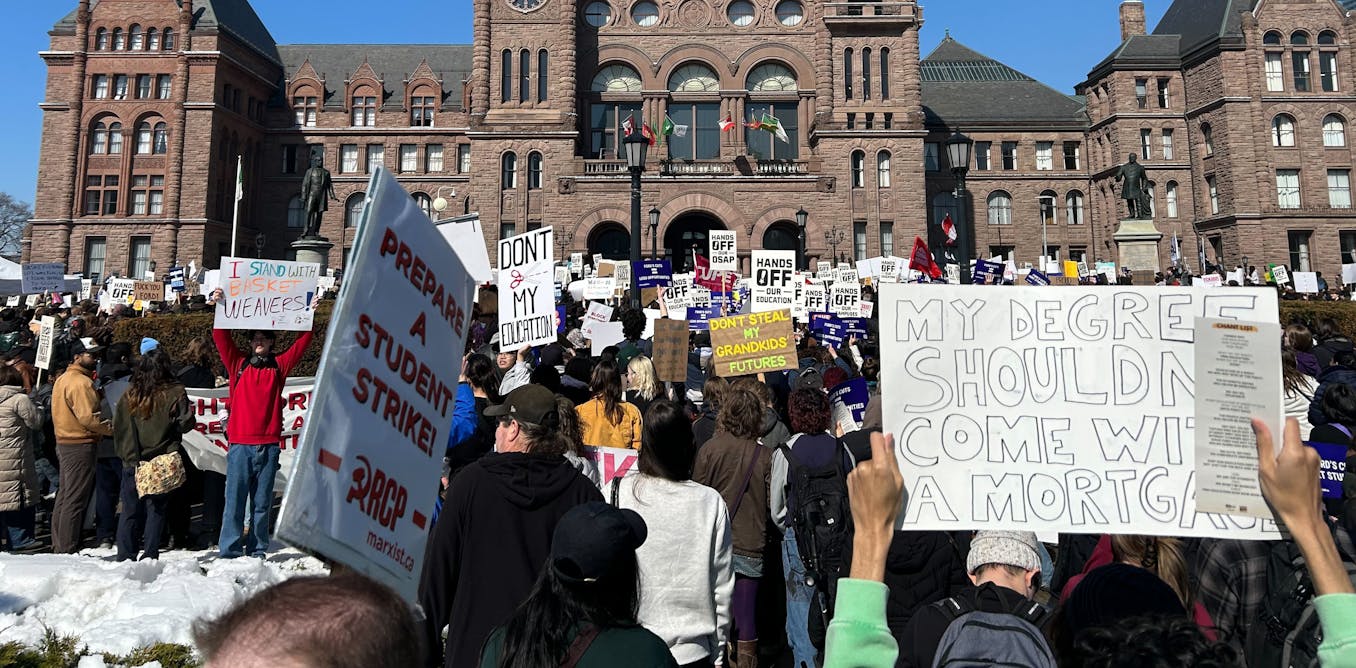
Student Loan Reform Sparks Protests in Ontario
Ontario’s recent overhaul of its student funding policies—centered on changes to student loans—has ignited widespread protests and intense debate. On March 4, 2026, students rallied outside Queen’s Park in Toronto, voicing concerns over new tuition increases and a dramatic shift in the balance between grants and loans. The government claims these reforms are necessary for financial sustainability, yet many students see the changes as a direct threat to their educational opportunities and future financial stability. The focus_keyword, student loans, sits at the heart of this controversy, as it directly impacts access to post-secondary education for thousands of Ontario students.
From Grants to Loans: A Stark Policy Shift
Under the previous Ontario Student Assistance Program (OSAP) model, students could receive up to 85% of their funding as non-repayable grants and only 15% as loans. With the new reforms, this ratio has flipped: now, a minimum of 75% of OSAP funding is allocated to student loans, with grants capped at just 25%. This significant policy change not only increases the long-term financial burden on students but also shifts the province’s philosophical approach to higher education—emphasizing private investment over public support.
This shift is expected to benefit Canada’s banks, which are already prepared to offer more student lines of credit. As household assets and financial investments have grown in recent years, the notion of education as a private asset has become more pronounced. Premier Doug Ford reinforced this perspective, stating, “You have to invest in your future, into in-demand jobs.” However, critics argue this approach ignores the rising household debt and growing wealth disparity in Ontario. For many, the focus on student loans risks deepening the divide between those who can afford higher education and those who cannot.
Historical Parallels: Echoes of Reagan-Era Reforms
The policy changes in Ontario are not unprecedented. They closely mirror reforms undertaken by former U.S. President Ronald Reagan in the late 20th century. When Reagan was California’s governor and later as president, he advocated for reducing public spending on higher education, introducing tuition fees, and emphasizing student discipline. During his presidency, federal financial aid shifted sharply from grants to loans, placing a heavier burden on students and their families.
Social and political theorist Melinda Cooper, in her book Family Values: Between Neoliberalism and the New Social Conservatism, explains how these policies reinforced “parental responsibility” and increased student dependency on family support. The result was a narrowing of educational opportunities, an increase in student debt, and a reinforcement of traditional power structures. The current changes to Ontario’s student loans system suggest a similar trajectory—one that may limit the choices available to students while exacerbating social and economic inequalities.
Broader Impacts on Equity and Access
Ontario’s reforms go beyond just financial aid. The government’s approach to education funding reflects broader social values, emphasizing individual responsibility over collective public benefit. For example, while tuition fees are rising for most students, free tuition was announced for police trainees in April 2023. Furthermore, initiatives like the Student Choice Initiative and the Supporting Children and Students Act have aimed to reduce mandatory student fees, threatening the viability of campus groups and student governance—critical components of university life for equity-seeking communities.
Critics warn that viewing education solely as a tool for private job prospects opens the door to predatory for-profit institutions and may result in cuts to degree offerings. As students become increasingly reliant on student loans and family support, their independence and ability to shape their futures are diminished. This deepening of inequalities risks casting a long shadow over Ontario’s future, limiting opportunities for upward mobility and social progress.
The Future of Student Loans in Ontario
As Ontario implements these sweeping changes to its student funding model, the debate over student loans and the role of public versus private investment in education continues to intensify. The province’s reforms are a clear signal of shifting priorities, echoing historical precedents set during the Reagan era. For students, educators, and policymakers, the challenge lies in finding a balance that ensures both fiscal responsibility and equitable access to post-secondary education.
Ultimately, the conversation around student loans in Ontario is about more than just dollars and cents—it is a question of social values, generational opportunity, and the future of higher education itself.
This article is inspired by content from Original Source. It has been rephrased for originality. Images are credited to the original source.