

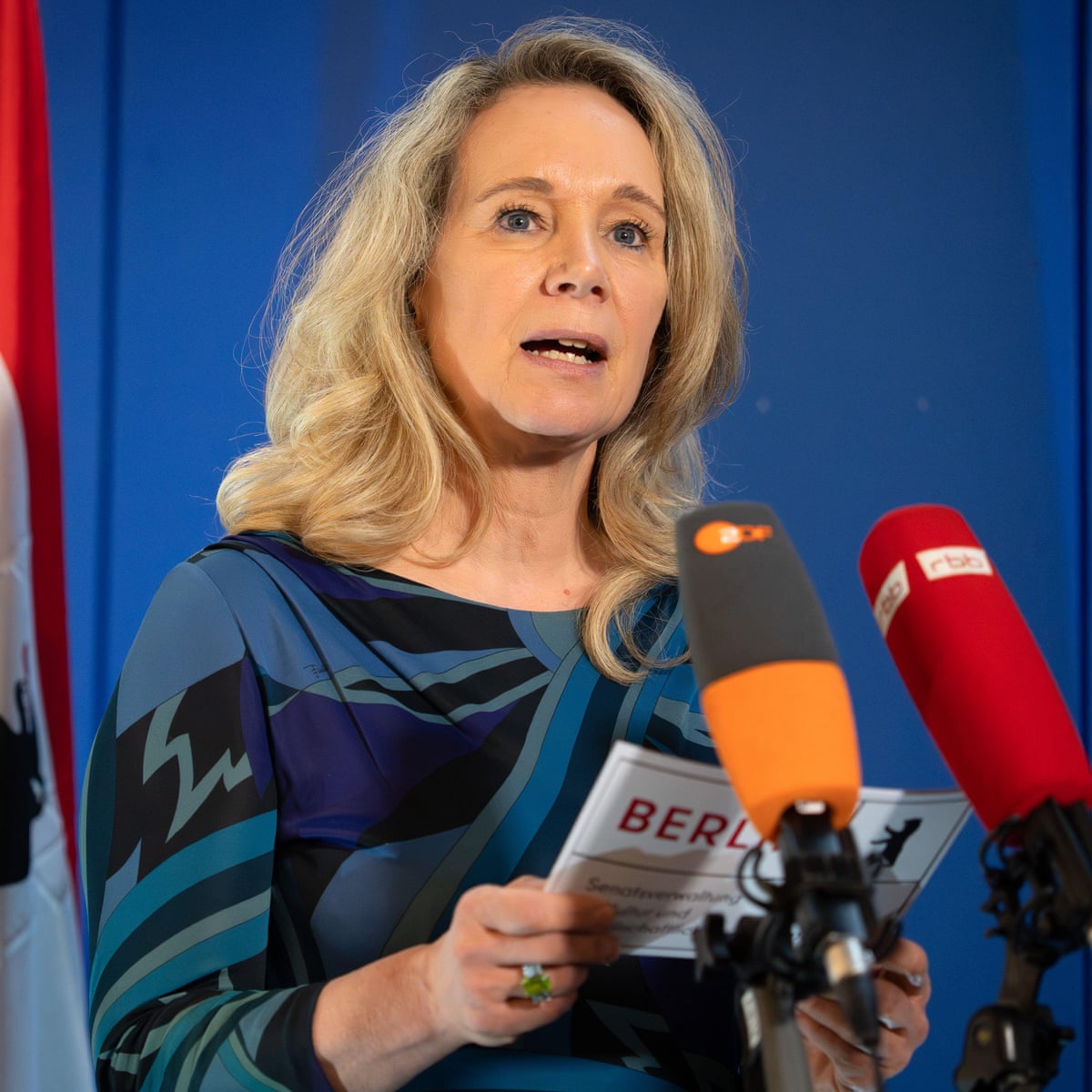
Berlin’s Culture Minister Steps Down Over Funding Controversy
Sarah Wedl-Wilson’s resignation as Berlin’s culture minister has sparked widespread discussion about public funding for antisemitism programs and the processes behind their allocation. The focus_keyword, antisemitism funding scandal, is at the heart of this resignation, raising critical questions for the Berlin government and its fight against antisemitism.
The Discovery of Irregularities
The controversy began when a state auditor uncovered that €2.6 million in public funds had been distributed to organizations fighting antisemitism without thorough vetting. This antisemitism funding scandal involved 13 projects that received funding based on a list compiled by lawmakers from the Christian Democrats (CDU), despite internal objections from culture office staff. The report described the distribution as “arbitrary” and “clearly unlawful.”
Among the recipients was the Zera Institute, an interdisciplinary think tank, which received €390,000. The institute’s director, Maral Salmassi, had previously made controversial social media comments, including derogatory remarks about philanthropist George Soros and contentious statements regarding media coverage of the Israel-Gaza conflict. These incidents added further scrutiny to the institute’s role in the antisemitism funding scandal.
Political Fallout and Resignations
Sarah Wedl-Wilson, who served as culture senator for Berlin’s regional government, initially resisted calls for her resignation. Earlier in the week, she dismissed state secretary Oliver Friederici, though opposition leaders labeled him a scapegoat. Berlin’s mayor, Kai Wegner, who is currently seeking re-election, accepted Wedl-Wilson’s resignation, acknowledging her decision to take political and personal responsibility.
In her resignation statement, Wedl-Wilson emphasized her commitment to protecting the integrity of Berlin’s efforts to combat rising antisemitism. She stated her resignation was “above all to prevent harm to the vital fight against rising antisemitism in Berlin.” This underscores the centrality of the antisemitism funding scandal to her decision.
Implications for Public Trust and Antisemitism Initiatives
The auditor’s review focused on the flawed process behind the funding allocations rather than the effectiveness of the projects themselves. Now, authorities must determine whether the recipient organizations will be required to return any of the public funds. The scandal has cast a shadow over Berlin’s €110 million annual cultural budget and raised broader concerns about transparency and accountability in public spending.
Werner Graf, the Green party’s candidate for Berlin mayor, criticized the handling of the affair, stating it had “caused immeasurable damage not only to the fight against antisemitism, but also to trust in democratic institutions as a whole.” His comments reflect the far-reaching impact of the antisemitism funding scandal on both Berlin’s reputation and its ability to address antisemitism effectively.
Background and Broader Context
Wedl-Wilson, who holds British and Austrian citizenship and has a background in classical music management, took office in May, succeeding Joe Chialo. Her appointment was notable as she was considered an outsider, both as a non-German national and as someone unaffiliated with a political party. She expressed gratitude to Mayor Wegner for entrusting her with the role.
Her resignation comes amid heightened tensions over antisemitic incidents in Germany, particularly since the October 2023 attacks by Hamas and the subsequent war in Gaza. The rising number of antisemitic offenses has intensified scrutiny of government programs aimed at combating hate and ensuring they are administered responsibly.
Looking Forward: Restoring Confidence
As Berlin’s government seeks to restore confidence in its cultural administration, the focus will remain on ensuring future public funding for antisemitism programs is distributed transparently and fairly. The antisemitism funding scandal has underscored the need for rigorous oversight and due diligence when allocating taxpayer money to sensitive initiatives.
Mayor Wegner now faces the challenge of appointing a new culture minister capable of managing the department’s substantial budget and restoring public faith in its mission. Meanwhile, a public inquiry will continue to examine the circumstances behind the irregular funding distributions and recommend improvements to prevent similar controversies in the future.
Ultimately, the antisemitism funding scandal serves as a pivotal moment for Berlin, highlighting the importance of transparency, accountability, and steadfast commitment in the fight against antisemitism.
This article is inspired by content from Original Source. It has been rephrased for originality. Images are credited to the original source.