

Republicans Propose $1 Billion for Trump’s Ballroom Security
In a move stirring significant debate in Washington, congressional Republicans are seeking to allocate $1 billion for ballroom security at President Trump’s White House as part of their broader plan to fund Immigration and Customs Enforcement (ICE). This proposal, which ties the ballroom security funding to a $70 billion partisan spending package for immigration enforcement, has reignited controversy over federal spending priorities and the ongoing battle over U.S. immigration policy.
ICE and Border Security Funding Takes Center Stage
The latest Republican proposal follows last week’s bipartisan agreement to end the nation’s longest government shutdown and fund the Department of Homeland Security. However, that deal notably excluded ICE and Customs and Border Protection (CBP) funding, as Democrats pushed back against supporting immigration enforcement without more substantial reforms. The new GOP plan earmarks over $60 billion for immigration enforcement agencies, further shielding ICE and CBP from political scrutiny and congressional oversight. These agencies had already received a $75 billion boost the previous year under President Trump’s hallmark One Big Beautiful Bill Act.
Ballroom Security Funding Spurs Political Dispute
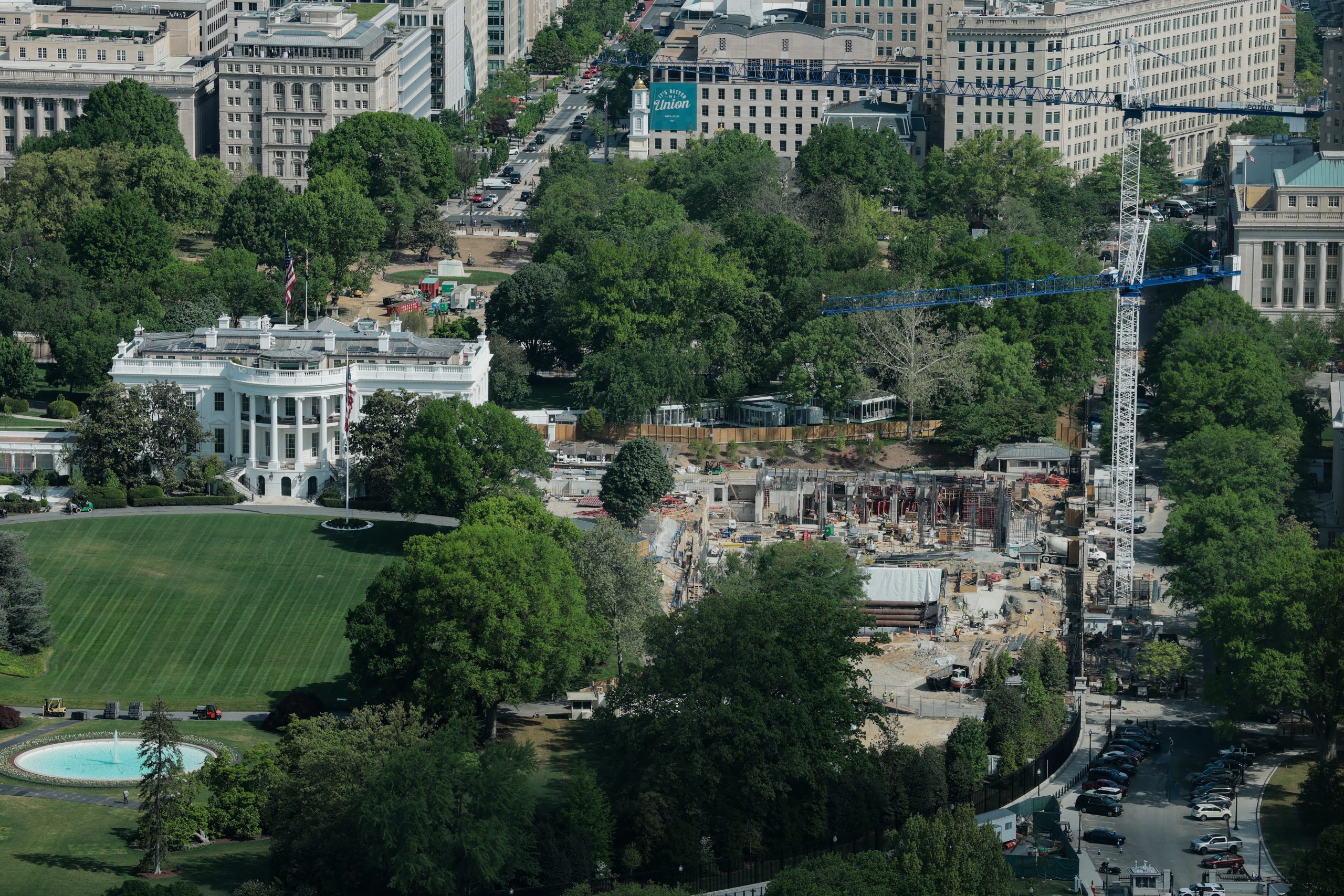
The bill’s most controversial element is the inclusion of $1 billion for ballroom security, specifically for Secret Service upgrades connected to the White House ballroom project. According to the bill’s language, these funds are strictly limited to security infrastructure and cannot be used for any other aspect of the ongoing East Wing Modernization Project, which the administration asserts is otherwise financed through private donations.
White House spokesperson Davis Ingle defended the measure, stating, “The White House applauds Congress’s latest proposal in its reconciliation package which includes additional funding for security infrastructure upgrades in relation to the long overdue East Wing Modernization Project.” Ingle emphasized that, following a recent assassination attempt on President Trump at the White House Correspondents’ Dinner, the funding is essential for the Secret Service to enhance protection of the White House complex.
Democratic Opposition and Accusations of Excess
Democrats have sharply criticized the proposed ballroom security funding, calling it a prime example of extravagant government spending. As the U.S. continues to grapple with the economic impacts of conflict in Iran and rising living costs, Democratic lawmakers argue that the $1 billion allocation prioritizes presidential luxury over urgent national needs.
Senator Elizabeth Warren (D-Mass.) was particularly vocal, commenting on social media, “This is hypocrisy at its finest. Trump’s gold-encrusted ballroom has gone from costing $200 million funded by shady donors to $1 BILLION from TAXPAYERS — snuck into the ICE bill by Senate Republicans.” The sentiment reflects broader concerns that the ballroom security funding is being used as a political bargaining chip within the larger immigration enforcement debate.
Other Key Provisions in the Funding Bill
The expansive legislation also sets aside nearly $1.5 billion for the Department of Justice, supporting terrorism investigations, prosecutions, as well as operations for the Drug Enforcement Administration and the FBI. President Trump has called on congressional Republicans to deliver the funding package to his desk by June 1, seeking swift action to ensure continued government operations and bolster security measures.
Controversy and Implications
The inclusion of $1 billion for ballroom security in the ICE funding plan has become a flashpoint in the ongoing standoff between Republicans and Democrats over budgetary priorities and immigration policy. While Republicans argue that heightened security is necessary in light of recent threats, Democrats view the move as emblematic of misplaced priorities at a time when many Americans are struggling with economic uncertainty.
As the bill moves toward a vote, it remains to be seen whether the ballroom security funding will survive negotiations or be removed in response to mounting public scrutiny. The outcome could set a precedent for how security and infrastructure projects at the White House are funded in the future, and how contentious spending measures are negotiated as part of broader immigration policy debates.
This article is inspired by content from Original Source. It has been rephrased for originality. Images are credited to the original source.