

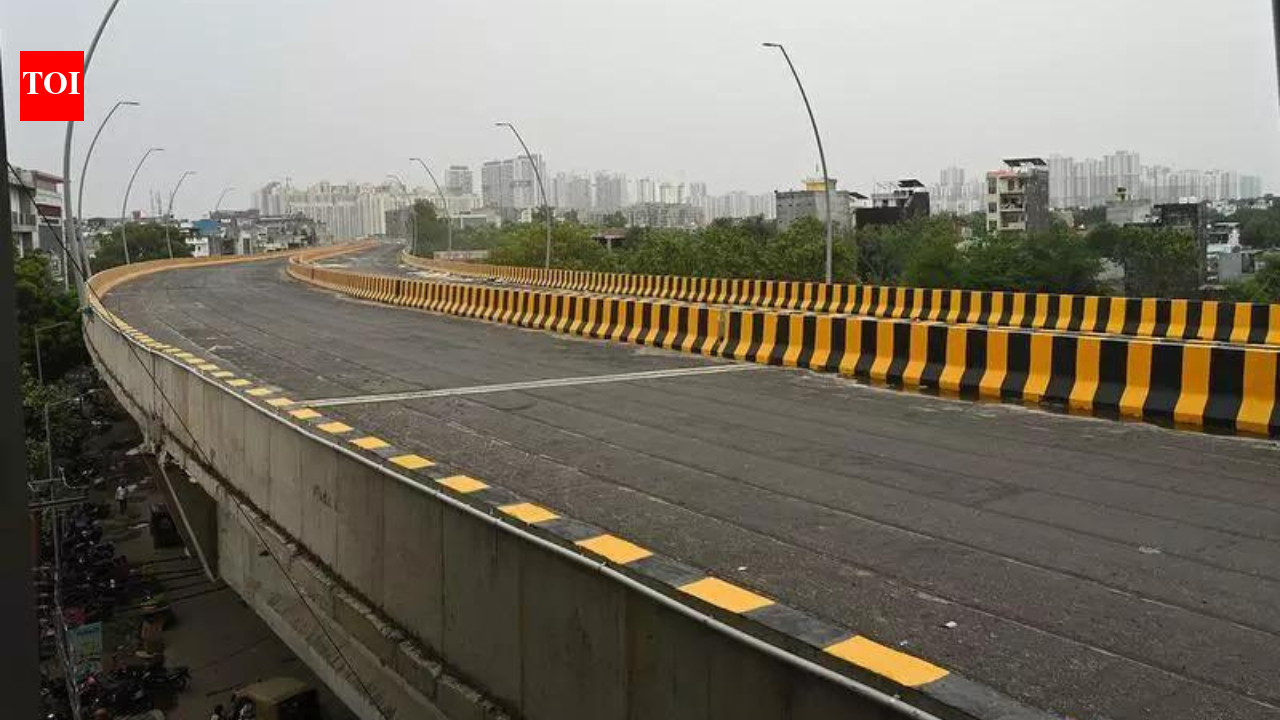
Indian Government Opens Highway PPP Projects to Private Equity and Venture Funds
The Indian government has announced a significant policy shift by allowing private equity, pension, infrastructure, and venture capital funds to bid for highway projects under the Public-Private Partnership (PPP) model. This move is expected to attract a broader range of investors and inject fresh capital into India’s rapidly expanding highway sector, which has seen unprecedented growth over the last decade.
Broadening the Investor Base for Highway Projects
Previously, highway PPP projects attracted mainly large construction and infrastructure companies. However, the inclusion of private equity and venture funds is set to diversify the investor pool. This change aims to make the sector more competitive and to bring in different forms of expertise and capital. By opening up the bidding process, the government hopes to leverage the substantial funds managed by global and domestic investment firms, particularly those specializing in long-term infrastructure investments.
The Role of Private Equity in Infrastructure Development
Private equity firms are known for their ability to provide substantial capital and strategic guidance to large-scale projects. Their participation in highway PPP projects could lead to improved project execution, innovative financing models, and efficient management practices. Pension and infrastructure funds, which are typically interested in long-term, stable returns, now have the opportunity to invest in India’s growing transportation network, which aligns well with their investment profiles.
Benefits of Venture Capital and Pension Fund Involvement
With the door now open for venture funds, the government anticipates increased innovation in the PPP model. Venture capital often brings in not just funding but also new technologies and business models, which can be leveraged to enhance project efficiency and sustainability. Pension funds, on the other hand, offer a stable and patient source of capital, which is crucial for long-term infrastructure projects like highways that require years to develop and generate returns.
Why the Policy Shift Matters
The inclusion of private equity and other institutional investors in highway PPP projects is part of the government’s broader strategy to accelerate infrastructure development. India’s ambitious targets for road construction and transport modernization require massive investments, and traditional sources of funding are often insufficient to meet these needs. By embracing alternative investors, the government aims to bridge the funding gap and ensure timely completion of critical projects.
Regulatory Adjustments and Safeguards
To facilitate this shift, regulatory changes have been introduced. These ensure that while the eligibility criteria for bidders are broadened, necessary safeguards remain in place to protect the public interest. Experts believe that the move will not only improve capital inflow but also introduce greater transparency and accountability in the bidding and execution processes. The government is also expected to maintain strict oversight to ensure that the involvement of private equity and other funds contributes positively to the sector’s growth.
Potential Impact on India’s Infrastructure Landscape
Industry analysts suggest that this policy could transform the way highway projects are funded and managed in India. The inclusion of private equity and venture funds is likely to bring in global best practices, improve operational efficiency, and potentially reduce the overall cost of infrastructure development. Moreover, this move could set a precedent for other sectors, encouraging more private investment in public infrastructure projects across the country.
Conclusion: A New Era for Highway PPP Projects
By opening highway PPP projects to private equity and venture capital funds, the Indian government is paving the way for a new era of infrastructure development. This strategic move is expected to attract significant investment, foster innovation, and help meet the country’s growing transportation needs. As the policy takes effect, all eyes will be on how these new stakeholders reshape the future of India’s highways.
This article is inspired by content from Original Source. It has been rephrased for originality. Images are credited to the original source.