

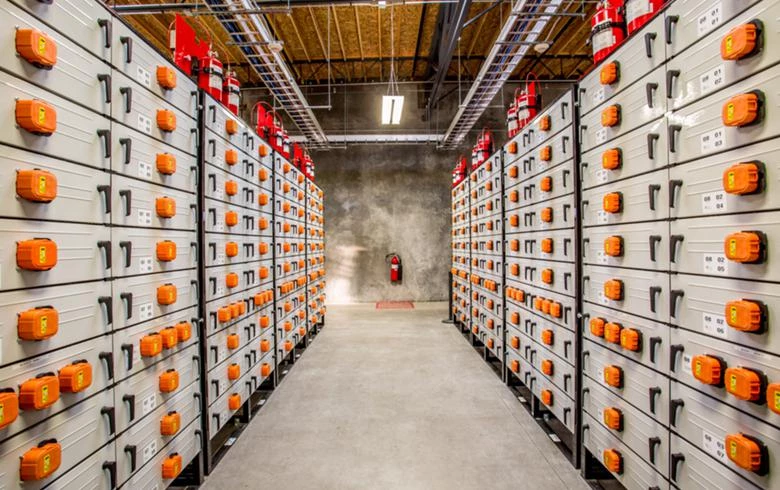
Global Surge in Energy Storage Funding
The first quarter of 2026 saw energy storage funding reach a remarkable USD 2.3 billion, reflecting a 5% year-over-year increase. This growth signals the continued confidence investors have in the energy storage sector, which plays a critical role in supporting renewable energy integration and grid stability worldwide.
Breakdown of Energy Storage Funding Sources
The surge in energy storage funding during Q1 2026 was driven by a blend of venture capital (VC) investments, debt financing, and public market activity. Venture capital funding, in particular, has been instrumental in allowing early-stage startups to innovate new solutions for large-scale energy storage, battery performance, and grid integration. Public market financing and debt offerings have complemented these VC injections, enabling mature companies to expand operations and scale up deployment.
Key Trends Driving Investor Interest
Several factors have contributed to the increase in energy storage funding. The global shift toward renewable energy—particularly solar and wind—has heightened the demand for reliable, scalable storage solutions. Energy storage enables utilities and independent power producers to stabilize the grid, balance supply and demand, and optimize the use of intermittent renewable resources.
Additionally, government policies and incentives in major markets such as the United States, Europe, and Asia have created a favorable environment for investment. These policies often include tax credits, grants, and mandates that encourage utilities and private sector players to invest in advanced storage technologies.
Leading Companies and Notable Deals
Major players in the energy storage industry attracted significant funding rounds in the first quarter. Startups specializing in lithium-ion, solid-state, and flow battery technologies secured substantial venture capital investments. Meanwhile, established companies leveraged debt and public market financing to expand manufacturing capacity and enter new markets. These high-profile deals underscore the competitive landscape and the race to bring next-generation energy storage solutions to market.
Impact on Renewable Energy Growth
The influx of energy storage funding is expected to accelerate the deployment of renewable energy projects globally. By improving the economics and reliability of renewables, storage investments are helping to drive down costs and increase adoption across utility, commercial, and residential sectors. The integration of advanced storage systems is also supporting the transition to a cleaner, more resilient energy grid.
Outlook for 2026 and Beyond
Industry experts anticipate that energy storage funding will continue its upward trajectory throughout 2026. Ongoing advancements in battery technology, coupled with supportive regulatory frameworks and rising demand for grid flexibility, are likely to attract even greater investment in the coming quarters. As energy storage becomes increasingly central to the clean energy transition, investors remain eager to back companies with innovative solutions and scalable business models.
Conclusion: Energy Storage Funding on the Rise
The first quarter of 2026 has set a promising tone for the energy storage sector, with funding levels rising and investor interest intensifying. As the world continues its march toward a sustainable future, energy storage funding will be vital for unlocking the full potential of renewables and ensuring energy security for all.
This article is inspired by content from Original Source. It has been rephrased for originality. Images are credited to the original source.