

The Rise of Diaspora Investment in Zimbabwe
Diaspora investment is rapidly transforming Zimbabwe’s real estate and farming sectors, with a growing number of Zimbabweans abroad channeling funds and expertise back into their homeland. This emerging trend is being shaped not just by economic necessity but also by the influence of social media content creators who offer an authentic perspective on local opportunities.
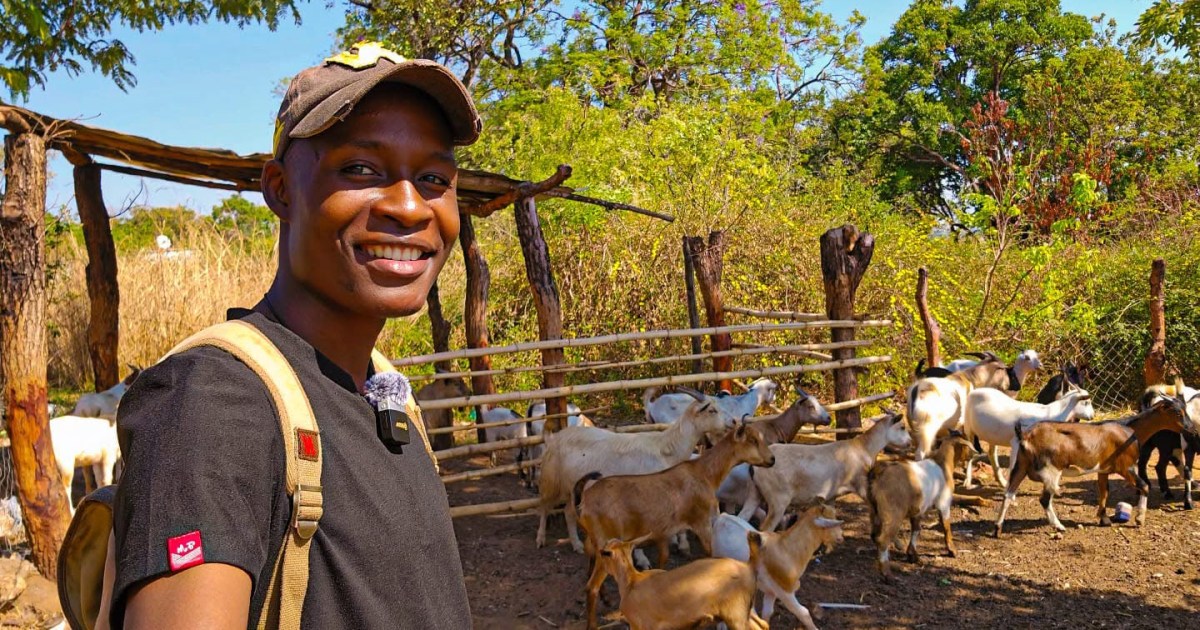
Two leading voices in this movement are Kundai Chitima, 31, and Kelvin Birioti, 20. Leveraging platforms like YouTube and Instagram, they provide the Zimbabwean diaspora with insights into property markets, agricultural ventures, and the realities of reinvesting in Zimbabwe. Their content—ranging from property walkthroughs to farming tips and market analysis—has proven instrumental in changing perceptions among Zimbabweans abroad.
Influencers Changing the Narrative
For many in the diaspora, traditional narratives about Zimbabwe have long been dominated by caution and uncertainty. However, through the authentic voices of content creators like Chitima and Birioti, a new, optimistic picture is emerging. For example, Catherine Mutisi, who spent 17 years in the UK, credits Birioti’s social media posts with shifting her mindset from occasional visits to considering a permanent return and deeper investments in real estate and farming.
These influencers are not only highlighting opportunities but are also protecting their audiences from common pitfalls, such as scams targeting diaspora investors. By focusing on transparency and real-life experiences, they aim to empower Zimbabweans abroad to make informed decisions about diaspora investment.
Socioeconomic Factors Driving Migration and Investment
Despite positive stories, Zimbabwe’s economic challenges remain stark. The country continues to face high unemployment rates, with the Zimbabwe National Statistics Agency reporting a 21.8 percent unemployment rate in late 2024. Most workers—an estimated 76 to 80 percent—operate in the informal sector, often relying on unregulated or subsistence work. Youth unemployment is particularly acute, reaching 76.8 percent according to a 2025 World Bank report.
These pressures have driven significant emigration, with large Zimbabwean communities established in South Africa, the UK, Australia, Canada, New Zealand, and the United States. For many young people like Susan Sibanda, the lack of stable job prospects makes leaving Zimbabwe seem like the best option. Economist Tashinga Kajiva notes that rising living costs and low wages are major factors behind ongoing emigration, even as many maintain strong financial and emotional ties to home.
How Diaspora Investment Is Reshaping Real Estate and Farming
The economic link between Zimbabwe and its diaspora is stronger than ever. Real estate agents report that Zimbabweans living abroad now account for up to 50 percent of high-end residential property purchases in recent years. In certain regions, land prices have surged by 20–30 percent year-on-year, a trend driven in part by this influx of diaspora investment.
Agriculture is also benefiting. The Zimbabwe Farmers Union estimates that 10-15 percent of new farm leases in the past two to three years have involved diaspora investors, especially in the Mashonaland Central and Matabeleland regions. Remittances play a crucial role, with $2.45 billion sent home by Zimbabweans abroad in 2025 alone. Much of this capital is directed towards real estate, agriculture, and small business ventures.
Economists emphasize that diaspora investment is motivated by both practical needs and a deep attachment to Zimbabwe. Investing in familiar environments allows Zimbabweans abroad to stay connected to their roots while contributing to national development.
Balancing Opportunity and Uncertainty
Despite the impact of diaspora investment, not all Zimbabweans abroad are eager to return. Political uncertainty and recent protests related to governance issues have made some cautious about relocating. Nevertheless, their financial ties to Zimbabwe remain robust, ensuring a steady flow of capital and engagement with the country’s development.
Content creators like Chitima and Birioti continue to play a pivotal role in this evolving landscape. By offering grounded, up-to-date information, they help the diaspora navigate risks and seize new opportunities in real estate and farming. As social media continues to reshape perceptions, the relationship between Zimbabwe and its global community remains dynamic and open-ended.
Diaspora investment is more than a financial transaction—it’s a bridge connecting Zimbabweans worldwide to their heritage and the future of their communities.
This article is inspired by content from Original Source. It has been rephrased for originality. Images are credited to the original source.