

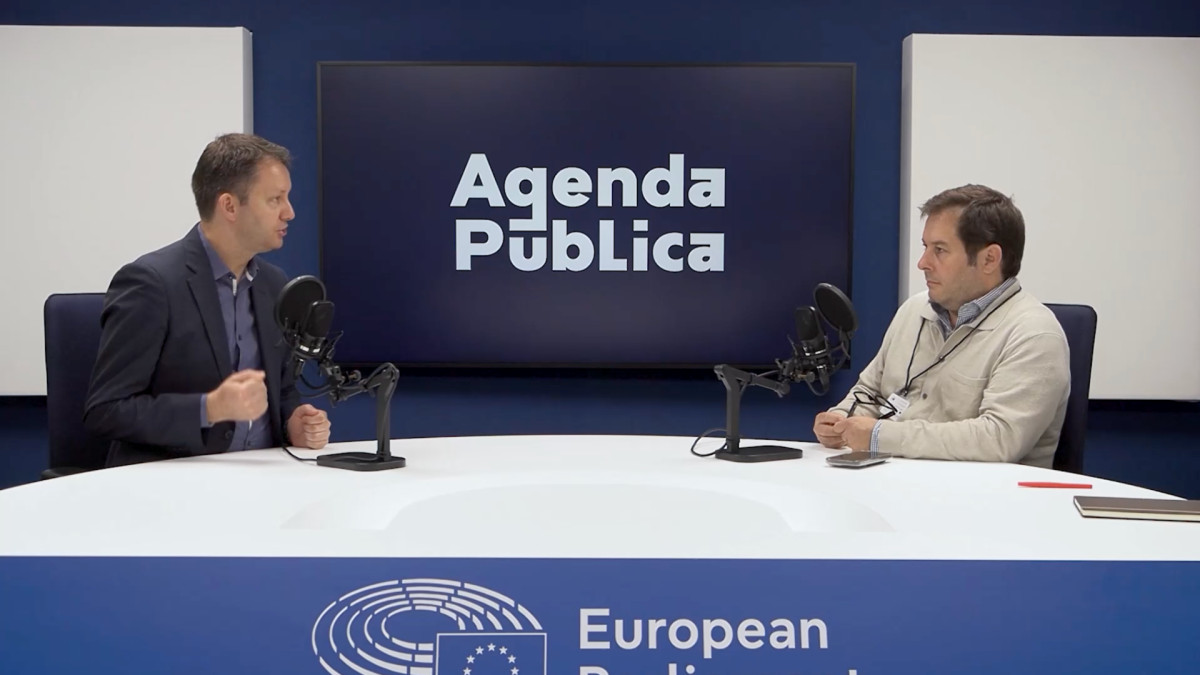
Europe’s Budget Crossroads: Cohesion, Competitiveness, and Taxing Tech Giants
The European Union’s new EU budget debate is reaching a critical juncture, with policymakers weighing whether to tax global tech giants or reduce vital funding for farmers and regions. Siegfried Mureșan, MEP and vice-president of the European People’s Party, is at the forefront of these discussions, advocating for balanced priorities that reinforce both traditional and modern policy goals while identifying new funding sources.
Setting Priorities for the Next EU Budget
The EU’s Multiannual Financial Framework (MFF) is more than a bureaucratic exercise; it shapes the bloc’s direction for the next seven years. Mureșan emphasizes that predictability and long-term planning are essential, especially for infrastructure, agriculture, and innovation. While the European Commission’s latest proposal boosts resources for competitiveness, research, innovation, and security, it also suggests reducing funds for the Common Agricultural Policy (CAP) and Cohesion Policy—moves Mureșan and the European Parliament firmly oppose.
Cohesion Policy has long been the EU’s main investment engine, driving development across member states. Mureșan insists that cohesion and competitiveness are not mutually exclusive. “Cohesion must evolve to fund green, digital, and energy projects without losing its territorial focus or diminishing the role of regions,” he argues.
How to Fund Europe’s Ambitions?
With member states unlikely to increase their national contributions due to fiscal constraints, the EU must seek new revenue streams. In the EU budget debate, Mureșan highlights the need for “own resources,” including a digital tax on tech giants, a levy on cryptocurrency profits, and contributions from the online gaming sector. The digital tax stands out as the most significant potential source—but implementing it will be politically and diplomatically complex, especially given the dominance of American technology companies in Europe.
“It is deeply unfair that global corporations profit from our single market of almost 500 million consumers without paying a single euro in tax to the EU,” Mureșan says. He frames the choice starkly: “Either we cut funding for Spanish farmers and regional development, or we tax Elon Musk and other tech leaders.” The EU budget debate is thus not just about numbers, but about the principles of fairness and shared responsibility in a digitalized economy.
The Risks of Common Debt and Budget Delays
Common debt emerged as an emergency tool during the COVID-19 crisis, financing the historic NextGenerationEU package. However, the burden of repayment is now a growing concern. Annual interest payments have surged to €8 billion, with principal repayments of €25 billion per year looming after 2028—about 15% of the entire EU budget. “If we accumulate too much debt, we end up paying financial markets instead of investing in hospitals, energy, or farmers,” warns Mureșan. Until the repayment structure is resolved, additional common debt is off the table in the ongoing EU budget debate.
Regional Autonomy and the Future of Cohesion Policy
Mureșan and the European Parliament advocate for a budget that empowers regions, not just national capitals or Brussels. They call for:
- Binding and obligatory roles for regions in managing EU funds
- Rejecting drastic cuts to fisheries policy, and preserving special support for outermost regions like the Canary Islands
- Maintaining a robust Cohesion Policy with guaranteed funding for all regions—not just the least developed
“We want decisions made close to citizens,” Mureșan insists, underscoring the need for local knowledge and flexibility in funding allocations. This approach reflects the European Parliament’s broader push for subsidiarity and direct benefit to communities.
Political Timing and the Path Forward
The challenge of finalizing the EU budget is compounded by upcoming national elections in Spain, France, Poland, and Italy. Mureșan notes that reaching an agreement by the end of 2026 is critical to ensure a smooth transition for the new budget cycle starting January 2028. Failure to do so could result in rushed deals and delayed funding, harming beneficiaries across Europe.
Despite internal political differences—even within the European People’s Party—Mureșan stresses the Parliament’s duty to hold the Commission accountable. The overall objective remains clear: deliver a budget that strengthens security, competitiveness, and regional development, while embracing new revenue sources such as taxing tech giants.
Conclusion: A Defining Moment for the EU Budget Debate
The ongoing EU budget debate encapsulates Europe’s struggle to reconcile new economic realities with traditional priorities. As Mureșan puts it, the choice is between cutting essential funds for farmers and regions or taxing the digital giants who benefit so greatly from the European market. The outcome will shape the EU’s capacity to invest in its people, infrastructure, and future competitiveness.
This article is inspired by content from Original Source. It has been rephrased for originality. Images are credited to the original source.