

Egypt’s Economic Reforms Inspire Investor Confidence
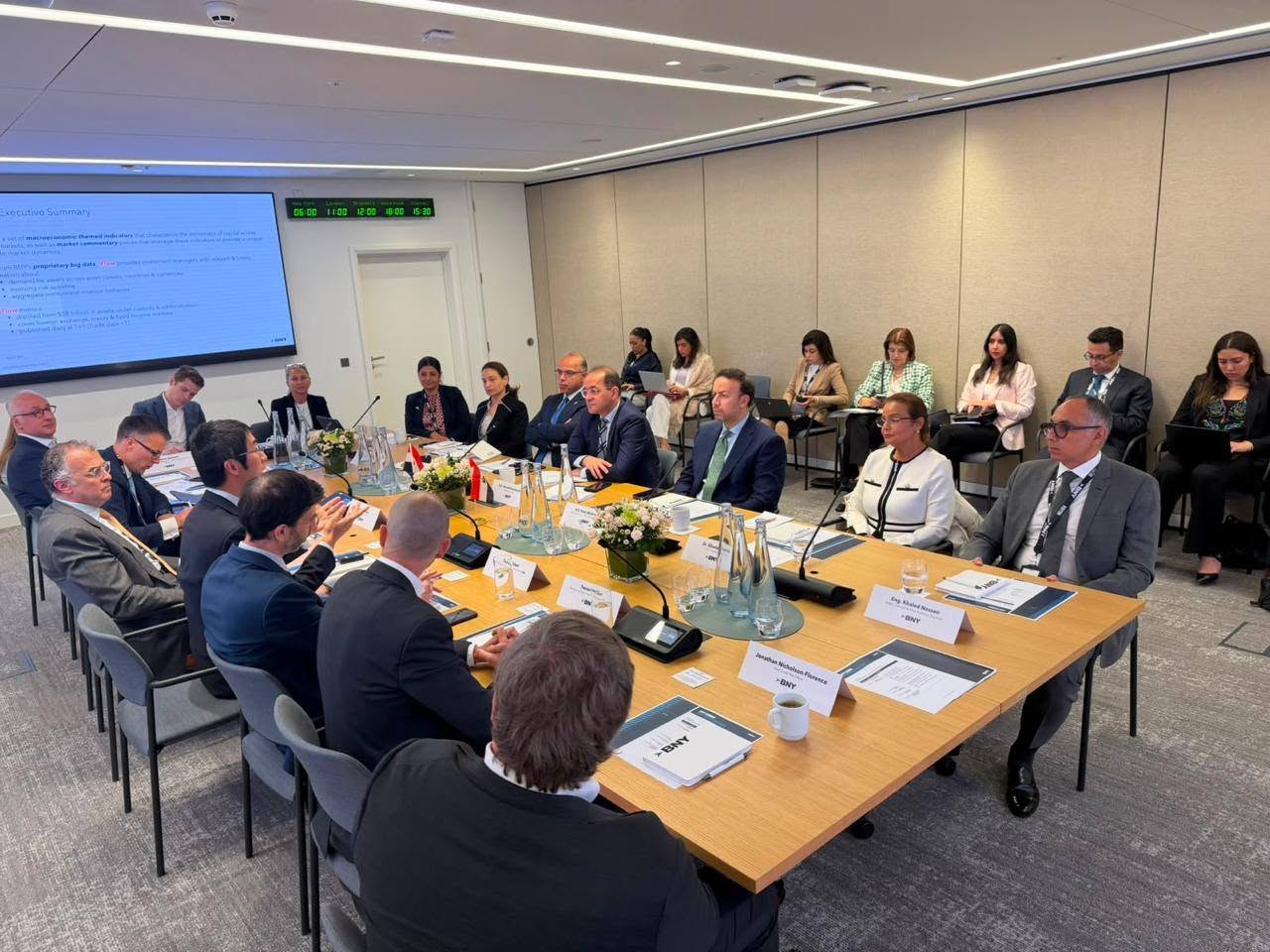
Egypt’s flexible exchange rate has emerged as a key driver in boosting investor confidence, according to major global financial institutions. During a recent series of high-level meetings in London, representatives from leading firms such as BlackRock, HSBC Asset Management, The Bank of New York Mellon (BNY), Bloomberg Intelligence, and Newton Investment Management highlighted how the Central Bank of Egypt’s decisive policies have set the nation apart from other emerging markets. The focus_keyword, capital market expansion, was central to these discussions, reflecting a renewed optimism among international investors.
Resilience Amid Global Uncertainty
Despite facing regional and global economic challenges, Egypt’s financial markets have shown remarkable resilience. Investors at the BNY-organized roundtable attributed this resilience to the government’s swift actions and disciplined monetary approach. The asset managers specifically pointed out that steps taken to enhance market liquidity and to list larger companies are essential for attracting further institutional investment and deepening the capital market.
Government Initiatives to Strengthen Capital Market Expansion
Egyptian Minister of Investment and Foreign Trade, Mohamed Farid Saleh, attended the roundtable alongside Minister of Finance Ahmed Kouchouk and Central Bank Deputy Governor Rami Abouelnaga. Farid reaffirmed the government’s commitment to capital market expansion by utilizing its initial public offering (IPO) program and encouraging private company listings. These efforts aim to broaden the base of listed companies, increase market depth, and attract long-term institutional investors.
Farid emphasized that the government is also working to enhance the trading environment by digitizing services, simplifying procedures, and reducing customs release times. These initiatives are designed to increase the competitiveness of the Egyptian economy and support the expansion of domestic and international businesses operating in the country.
Boosting Exports and Fostering Global Partnerships
During their London visit, the Egyptian delegation engaged in several bilateral meetings aimed at promoting trade and industrial growth. In discussions with UK Export Finance (UKEF), Finance Minister Ahmed Kouchouk stated that boosting commodity and service exports remains a top fiscal policy priority. He identified significant opportunities in the outsourcing sector, particularly due to Egypt’s growing telecommunications and information technology industry.
Kouchouk noted that the government is working to increase export subsidies and target high-potential sectors to open new global markets. He also highlighted the potential for joint investment opportunities with British partners, especially in industries such as renewable energy and infrastructure. These collaborations are expected to play a crucial role in furthering Egypt’s capital market expansion and increasing its global economic footprint.
Open Economic Policies Attract New Investments
In a separate meeting with Blair McDougall, the British Minister for Business and Economic Transformation, Kouchouk reiterated Egypt’s commitment to forming new partnerships that drive mutual investment. “Our economic policies are now more open and attractive to investment flows,” he said, pointing out the rapid progress of the Egyptian private sector and its strong capacity to lead economic growth and development.
The government’s ongoing efforts to implement modern social protection measures, digitize trade processes, and facilitate customs procedures are all part of a larger strategy to create a more dynamic and appealing investment climate. These reforms are expected to contribute significantly to Egypt’s goal of capital market expansion and to reinforce its position as a leading destination for international investors.
Outlook for Egypt’s Capital Market Expansion
The combined efforts of the Egyptian government and its international partners are creating a more robust, attractive environment for investment and trade. With its flexible exchange rate policy, strategic IPO programs, and ongoing market reforms, Egypt is poised for substantial capital market expansion in the coming years. Investors and policymakers alike are optimistic that these measures will drive long-term economic growth, diversify the nation’s financial markets, and solidify Egypt’s standing in the global economy.
This article is inspired by content from Original Source. It has been rephrased for originality. Images are credited to the original source.