

Uzbekistan Strengthens Biosafety with GEF Support
Uzbekistan, a nation renowned for its diverse landscapes and rich genetic resources, is taking a significant step to reinforce its national biosafety framework. Backed by a new Global Environment Facility (GEF) project, the country aims to mitigate the risks posed by living modified organisms (LMOs) to its biological diversity. This initiative marks the first coordinated effort to implement the Cartagena Protocol on Biosafety in Uzbekistan, ensuring that the country’s unique biodiversity is safeguarded for future generations.
Focus on the Cartagena Protocol and National Collaboration
The biosafety project in Uzbekistan is led by the International Union for Conservation of Nature (IUCN) as the GEF Implementing Agency, with the UN Food and Agriculture Organization (FAO) serving as the GEF Executing Agency. The project, officially named ‘Implementation of the National Biosafety Framework in Uzbekistan in accordance with the Cartagena Protocol on Biosafety,’ secures USD 2 million from GEF and an additional USD 7 million in co-financing. This cross-sectoral initiative brings together the National Committee on Ecology and Climate Change, Ministry of Agriculture, Centre of Genomics and Bioinformatics, and the Council of Farmers, among other stakeholders.
Oliver Avramoski, IUCN Regional Director for Eastern Europe and Central Asia, highlighted the significance of this project, stating, “IUCN is proud to support this new initiative, which will help conserve Uzbekistan’s unique plant varieties and iconic wildlife by managing risks associated with LMOs.” Viorel Gutu, FAO Assistant Director-General, echoed this sentiment, emphasizing the vital role biosafety plays in protecting Uzbekistan’s biodiversity and agricultural heritage.
Addressing Gaps in Biosafety and LMO Oversight
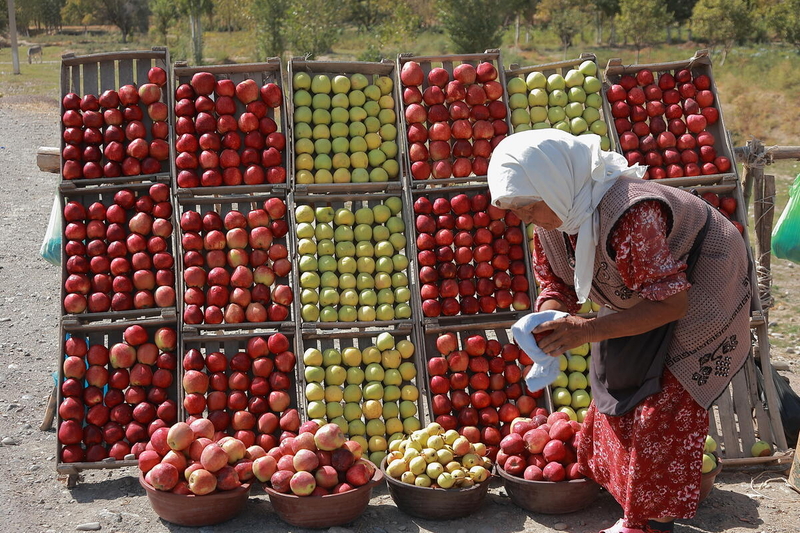
Uzbekistan joined the Cartagena Protocol on Biosafety in 2019, aiming to ensure the safe handling, transport, and use of LMOs generated through biotechnology. These organisms, such as genetically modified seeds and crops, have the potential to alter local ecosystems by transferring genetic material to other species. Without robust safeguards, LMOs could threaten indigenous crops and the region’s ecological heritage, particularly wild relatives of cultivated plants like apples, walnuts, and almonds.
Despite legislative progress, Uzbekistan has faced challenges in translating the protocol into effective practice. The country lacks a comprehensive policy framework and technical capacity for LMO detection and monitoring. This is precisely what the new biosafety project in Uzbekistan intends to address. The initiative will focus on establishing a strong National Policy on Biosafety, aligning food safety laws, and introducing national biosafety regulations that govern the handling, monitoring, and labeling of LMOs. Socio-economic considerations will also be integrated into these regulations.
A major component of the project involves creating a centralized system for managing LMO applications, including new laboratories for LMO detection. Human resource development is another priority, with training for technical and decision-making bodies to facilitate effective biosafety decisions. Additionally, a National Biosafety Clearing House will be established to collect and disseminate up-to-date biosafety information across the country.
Tackling Trade-Related Risks and Building Capacity
Uzbekistan’s strategic location at the heart of Central Asia makes it a critical link in global transport routes between East Asia and Europe. This position brings not only opportunities but also risks, particularly concerning the accidental spillage of genetically modified grains during transport. Such incidents could pose a significant threat to wild crop relatives and protected natural areas.
Imported LMO-derived food products also introduce biosafety concerns, yet risk assessments in Uzbekistan have been limited. The biosafety project in Uzbekistan will develop detailed procedures, technical guidelines, and emergency response mechanisms for risk monitoring and management. Customs authorities will receive specialized training, and public awareness campaigns will be launched to educate citizens on the importance of biosafety and the safe use of LMOs.
Future Steps and Regional Collaboration
The partnership between the National Committee on Ecology and Climate Change, IUCN, and FAO will be formalized with a Statement of Intent during the GEF Assembly in Samarkand. Progress and outcomes of the biosafety project in Uzbekistan will be shared with international stakeholders, including through reporting under the Cartagena Protocol on Biosafety.
With this comprehensive approach, Uzbekistan is setting a new standard for biosafety in the region, reinforcing its commitment to biodiversity conservation, agricultural sustainability, and safe biotechnology practices. The biosafety project in Uzbekistan stands as a model for cross-sectoral collaboration and capacity building in support of global environmental goals.
This article is inspired by content from Original Source. It has been rephrased for originality. Images are credited to the original source.