

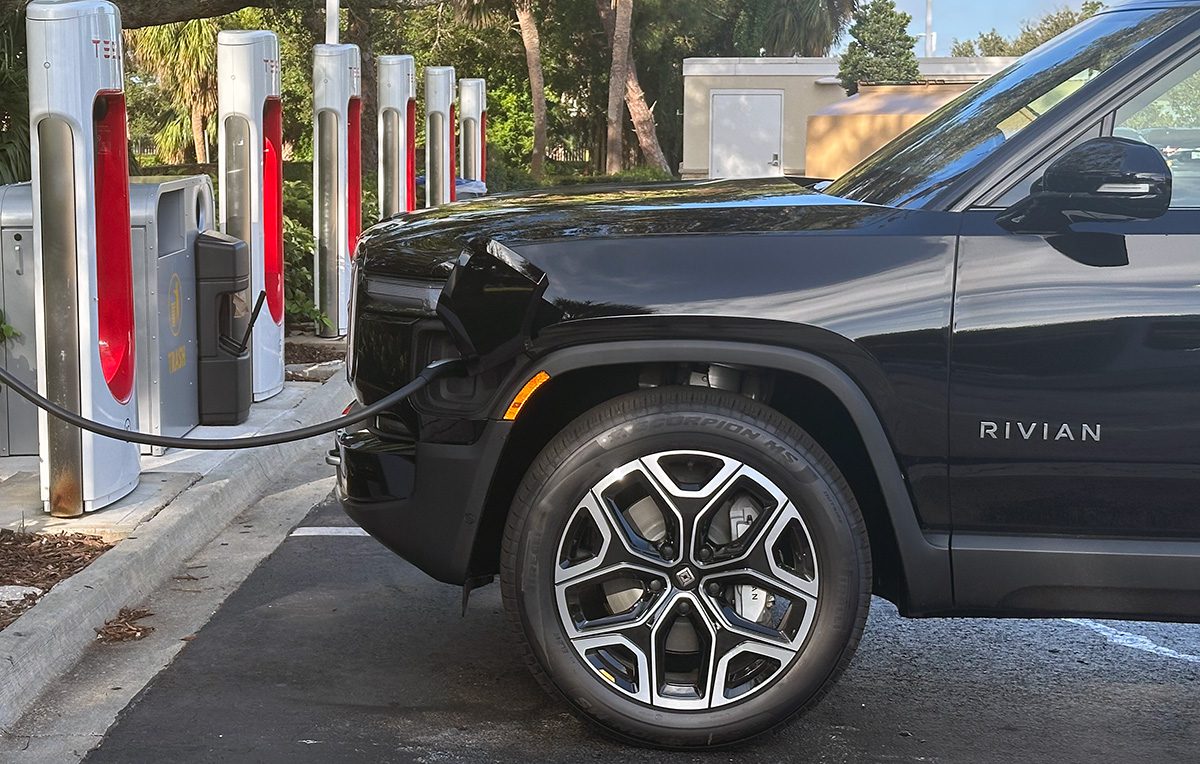
California Invests in Public EV Fast Charging Infrastructure
The California Energy Commission (CEC) has unveiled a significant new initiative, allocating $55.2 million in funding to accelerate the development of public EV fast charging stations across the state. This investment is part of the California Electric Vehicle Infrastructure Project (CALeVIP) and is designed to bolster the state’s commitment to clean transportation by making EV charging more accessible and convenient for all Californians. The focus_keyword for this article is EV fast charging, reflecting the core subject of the funding announcement.
Funding Details and Incentive Windows
Under CALeVIP’s Fast Charge California Project, the new funding will be distributed through two upcoming incentive windows. These windows offer unique opportunities for site owners and project developers to obtain financial support for ready-to-build EV fast charging projects:
- First Incentive Window: Open from October 7, 2026, to January 14, 2027, this phase provides incentives covering up to 100% of eligible installation costs for DC fast chargers, up to $100,000 per charging port.
- Second Incentive Window: Running from February 24, 2027, to May 27, 2027, this window also covers up to 100% of eligible installation costs, but up to $55,000 per port, with a requirement for a minimum output of 150 kW for each charger.
Both windows are structured to support a wide range of applicants, from businesses and public facilities to high-traffic destinations and locations along major travel corridors. As EV fast charging infrastructure is crucial to the state’s sustainability goals, these incentives aim to move projects from the planning stage to active installation without financial barriers.
Eligibility and Application Process
Applicants interested in securing funding for EV fast charging projects must meet several requirements. Charging sites must be publicly accessible and comply with CALeVIP’s program standards. Priority will be given to projects located in tribal areas, disadvantaged communities, and low-income regions to ensure equitable access to clean transportation infrastructure. Eligible applicants must present ready-to-build projects, complete with finalized utility service designs and all necessary permits before applying. Full eligibility details and application guidelines will be available on the official CALeVIP website as the incentive windows approach.
Track Record of CALeVIP’s Fast Charge Initiative
CALeVIP’s Fast Charge California Project has already demonstrated a successful track record. In its first funding window, the project awarded $54 million to support the installation of more than 1,200 ready-to-build EV fast charging ports across 35 counties. Across all its initiatives, CALeVIP has facilitated over 10,500 charger installations statewide, significantly expanding the public EV fast charging network and helping California lead the nation in clean transportation infrastructure.
According to Spencer Reeder, Director of the CEC’s Fuels Transportation Division, “Expanding access to reliable and convenient fast charging is essential to support California’s growing number of EV drivers and keep the state on track toward its clean transportation goals. CALeVIP has been pivotal in bringing chargers to communities and travel corridors that need them most, while making it easier for businesses and site hosts to get their chargers installed and operational.”
Impact on EV Adoption and Clean Transportation
By investing in public EV fast charging, California aims to address one of the primary barriers to widespread EV adoption—range anxiety and charging convenience. The increased availability of fast charging stations will not only benefit current EV owners but also encourage more drivers to make the switch from conventional vehicles to electric alternatives. This aligns with California’s broader objectives to reduce greenhouse gas emissions and promote sustainable transportation solutions statewide.
For site owners and project developers, the financial incentives lower the upfront costs and risks associated with installing advanced DC fast charging infrastructure. As a result, more locations are likely to participate in expanding the charging network, especially in underserved areas that have historically faced challenges in accessing clean transportation resources.
How to Apply for EV Fast Charging Funding
Prospective applicants should begin preparing their projects by securing the necessary permits and finalizing utility service designs. When the incentive windows open, detailed application instructions will be available on the CALeVIP website. Early preparation is key, as funding will be awarded based on project readiness and alignment with program priorities, such as serving disadvantaged and tribal communities.
Conclusion: Driving Forward with EV Fast Charging
California’s latest investment in EV fast charging marks a pivotal step in the state’s clean transportation journey. By supporting the installation of public fast chargers, the CEC and CALeVIP are ensuring that the infrastructure keeps pace with the rapid growth in electric vehicle adoption. This initiative not only benefits current EV drivers but also lays the groundwork for a sustainable transportation future throughout California.
This article is inspired by content from Original Source. It has been rephrased for originality. Images are credited to the original source.