

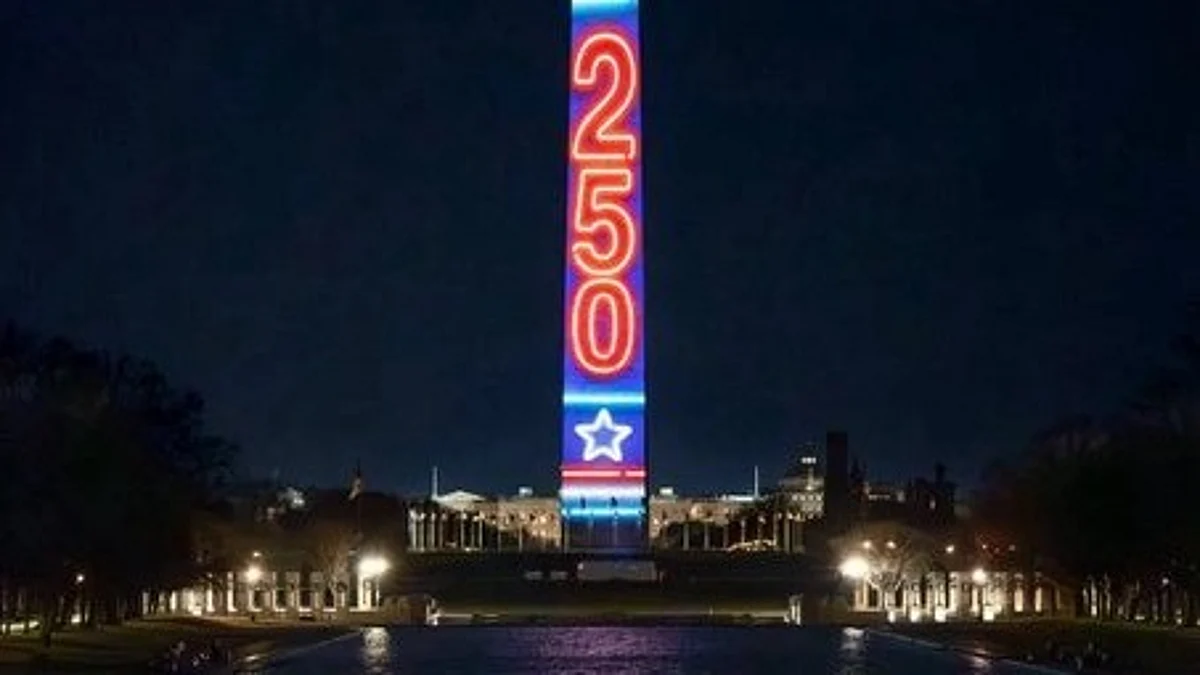
Watchdog Group Demands Clarity on Freedom 250 Project Funding
Freedom 250 funding has become the center of a heated legal battle, as a government watchdog group has filed a lawsuit against the Trump-era Interior Department. The group accuses the department of withholding essential information about the financial backing and management of the controversial Freedom 250 project, sparking new debates around government transparency and accountability.
The Freedom 250 Project: Background and Controversy
The Freedom 250 project was launched with the goal of creating a monumental statue, intended to serve as a symbol of American liberty and pride. However, from its inception, questions swirled regarding the project’s funding sources, oversight, and the role of the Department of the Interior. Critics have long argued that the lack of publicly available financial details casts a shadow over both the project and the federal officials involved.
According to the watchdog group, repeated Freedom of Information Act (FOIA) requests for documentation related to Freedom 250 funding were either ignored or inadequately addressed by the Interior Department. The group alleges that this stonewalling violates federal transparency laws and undermines public trust in government processes.
Filing the Lawsuit: Transparency at Stake
In response to months of unanswered requests, the watchdog organization initiated legal action in federal court. Their lawsuit specifically demands that the Interior Department disclose all records connected to the planning, financing, and oversight of the Freedom 250 project. The group’s legal counsel emphasizes that transparency is essential when public funds or federal resources may be involved in large-scale projects.
The lack of information about Freedom 250 funding has raised suspicions of potential conflicts of interest, misallocation of funds, or inappropriate favoritism toward certain contractors or political donors. “When millions in public or private contributions are at stake, the American people deserve to know how their money is being spent,” a spokesperson for the group stated.
Broader Implications for Government Accountability
This lawsuit comes at a time when calls for government transparency are growing louder across the political spectrum. Watchdog organizations, journalists, and public interest advocates argue that projects like the Freedom 250 must be subject to rigorous oversight, especially when ties to high-profile political figures are involved. The case is expected to test the limits of the federal government’s obligations under the FOIA and could set important precedents for future transparency efforts.
Legal experts note that the outcome of this case may influence how other federal agencies respond to similar requests about project funding and management. If the court rules in favor of the watchdog group, it could prompt a wave of disclosures related to other controversial or poorly understood initiatives financed or overseen by federal entities.
Government Response and Possible Outcomes
As of now, the Interior Department has not issued a comprehensive statement regarding the lawsuit or the status of Freedom 250 funding documentation. Past responses have cited bureaucratic delays and the sensitive nature of certain financial records. However, transparency advocates insist these explanations are insufficient and do not comply with the spirit or the letter of the law.
Should the court compel the release of the requested records, the public would gain valuable insights into the origins and oversight of the Freedom 250 project. Such revelations could either dispel concerns or confirm suspicions about mismanagement or lack of accountability. Conversely, if the court sides with the department, it may set a restrictive precedent, limiting the public’s access to crucial information about federally affiliated projects in the future.
Conclusion: The Ongoing Fight for Financial Transparency
The battle over Freedom 250 funding is more than a dispute about paperwork—it is emblematic of the broader struggle for transparency in government dealings, especially when large sums of money and high-profile projects are involved. As the legal process unfolds, stakeholders and observers alike are watching closely, understanding that the ramifications will extend far beyond the Freedom 250 project itself.
This article is inspired by content from Original Source. It has been rephrased for originality. Images are credited to the original source.