

Introduction: The Battle Over Homeland Security Funding
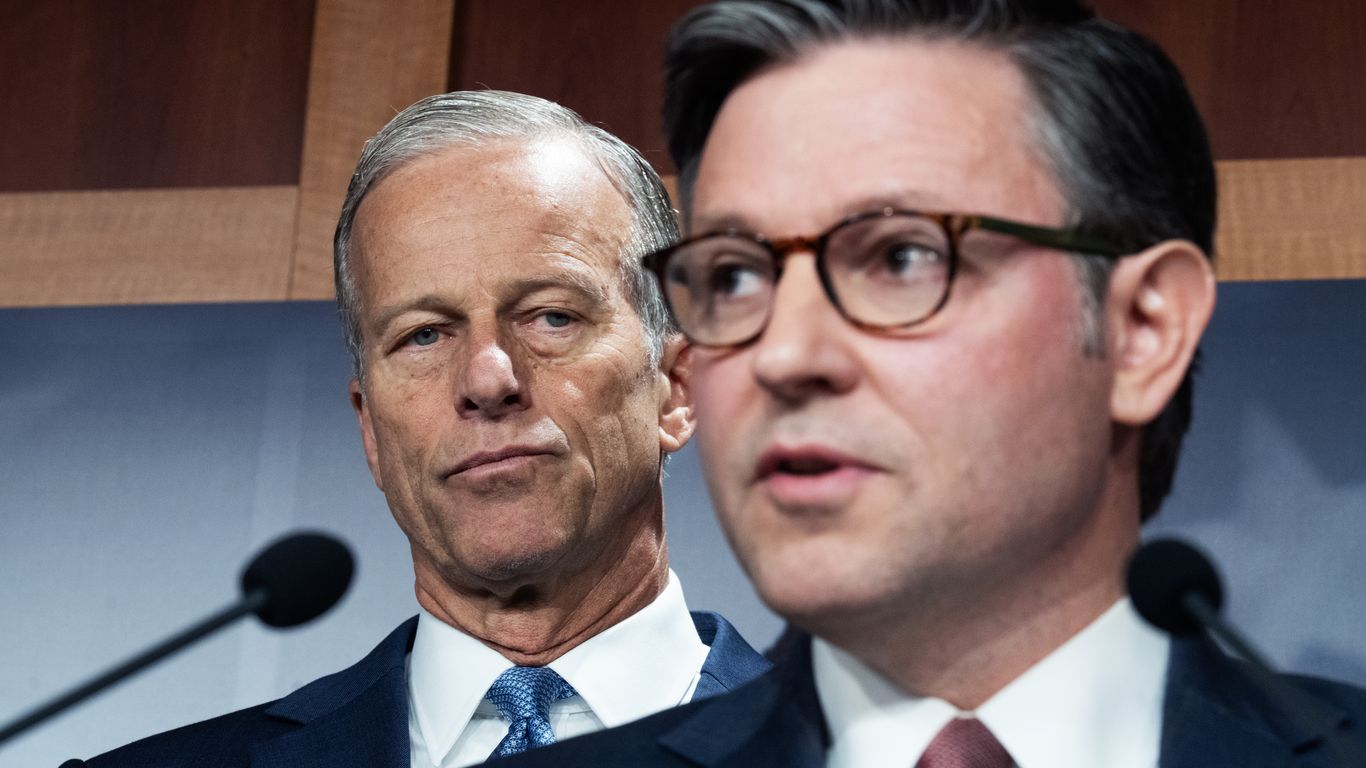
The ongoing debate over Homeland Security funding has exposed deep divisions among Republican leaders in Congress. As the Department of Homeland Security (DHS) faces a looming financial crisis, Senate Majority Leader John Thune and House Speaker Mike Johnson are openly at odds about how to break the deadlock, complicating efforts to bring an end to a 72-day partial government shutdown.
Background: A Frustrating Standstill
Frustration is mounting within the Senate, particularly among Republicans, over the House’s inability to pass a DHS appropriations bill that has already cleared the Senate twice. At the start of the month, Thune and Johnson presented a united front, releasing a joint statement and a coordinated plan: fund ICE and Border Patrol through the reconciliation process, and handle the remainder of DHS funding through regular appropriations. Despite this apparent unity, the plan has faltered, and DHS has warned that its stopgap funds to pay staff could soon run out.
Johnson Seeks Changes to DHS Funding Bill
House Speaker Mike Johnson is now seeking to amend the Senate-passed DHS bill in an effort to gather enough support in the House. He argues that the current version contains problematic language, especially regarding the funding of non-immigration parts of DHS. “It has some problematic language because it was haphazardly drafted,” Johnson stated, emphasizing that a modified version would better serve both legislative chambers without altering most of the bill’s substance. Johnson’s move is seen as an attempt to make the Homeland Security funding bill more palatable to House Republicans.
However, any modifications to the bill—even minor ones—would require the Senate to revisit and pass the legislation again, potentially prolonging the shutdown and further delaying much-needed funding for DHS operations.
Thune Responds with Caution
In response, Senate Majority Leader John Thune maintained a diplomatic tone but made it clear that the Senate had done its part to ensure adequate funding for DHS. “I think we did everything we can to ensure that everything is appropriately funded,” Thune remarked. Nonetheless, he indicated a willingness to collaborate with the House, stating, “We’re working with the House to see if there’s a way to do that.” This cautious optimism suggests that while tensions are high, avenues for compromise remain open.
Main Points of Contention
The primary stumbling block in the House revolves around language in the Senate bill that “zeroes out” funding for ICE and Border Patrol. A broad coalition of House members is pushing to remove this language to avoid taking a politically sensitive vote that could be perceived as defunding law enforcement. Lawmakers are also considering waiting for the reconciliation process to wrap up before pairing a final vote on that measure with the DHS appropriations bill. This approach, however, risks leaving DHS without funding through at least mid-May, extending the partial shutdown and intensifying operational challenges for the department.
Implications for the GOP and DHS
The public clash between Thune and Johnson underscores the difficulty of reaching a private deal when both leaders are staking out strong, opposing positions. While Johnson appears to be signaling only minor, stylistic changes to the Homeland Security funding bill, even these could trigger further delays. For DHS, the stakes are high: without a resolution, the department will soon exhaust its ability to pay staff and maintain essential services.
Conclusion: Uncertain Path Forward on Homeland Security Funding
The dispute over Homeland Security funding is more than a legislative squabble—it’s a test of Republican leadership and party unity during a critical moment. As both Thune and Johnson hold firm to their positions, the path to a resolution remains uncertain. Ultimately, reaching a compromise will be essential to restoring full operations at DHS and demonstrating effective governance in the face of division.
This article is inspired by content from Original Source. It has been rephrased for originality. Images are credited to the original source.