

WHO Raises Alarm on Middle East Health System Collapse
The Middle East health crisis is reaching a tipping point, according to the World Health Organization (WHO), as the region faces escalating conflicts, environmental threats, and a massive funding shortfall. At a recent media briefing, Dr. Hanan Balkhy, WHO’s Regional Director for the Eastern Mediterranean (EMRO), outlined the dire consequences of ongoing instability and the urgent need for international support. The focus_keyword, Middle East health crisis, is central to understanding the scale of the current emergency.
War and Displacement Drive Humanitarian Disaster
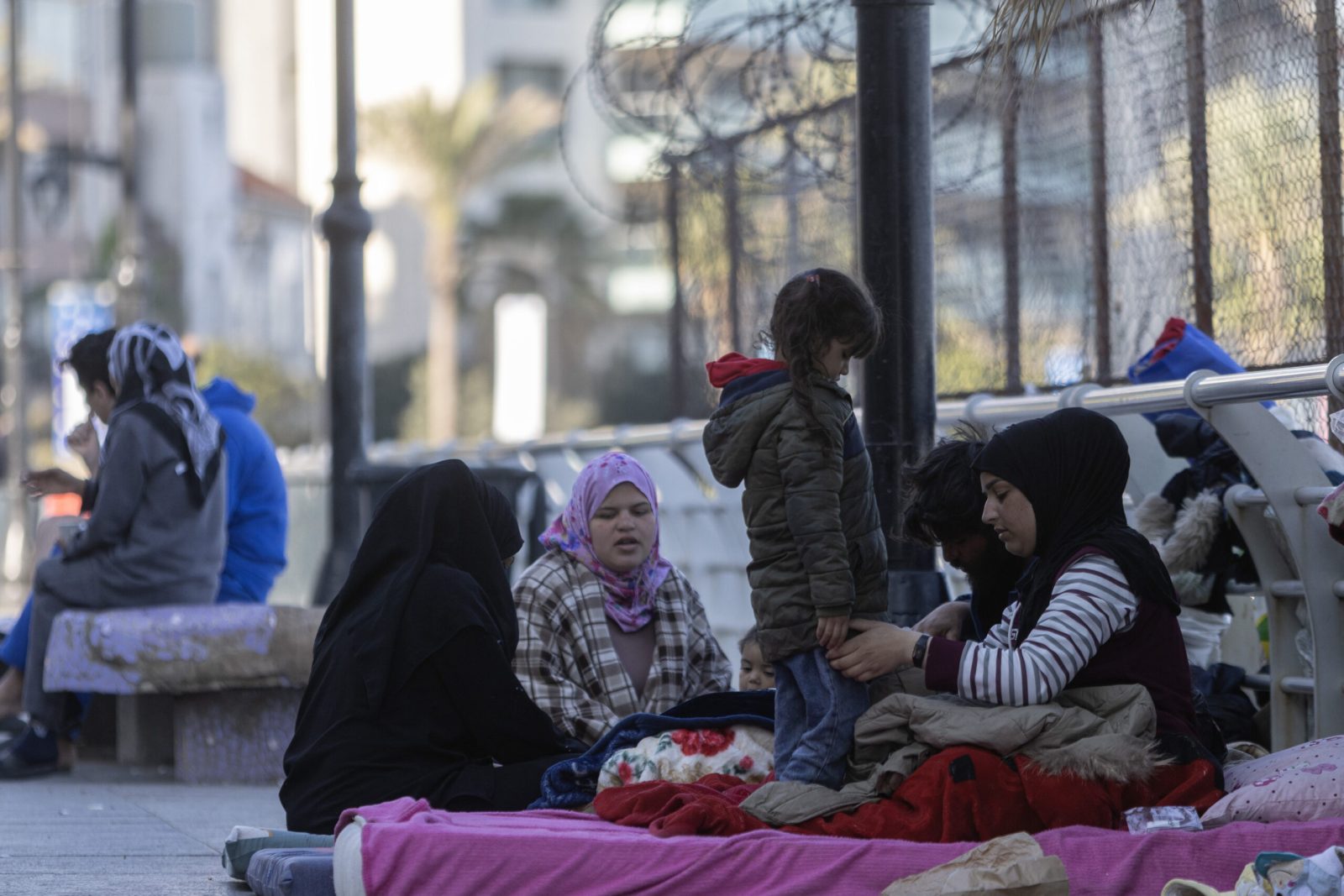
Fourteen countries in the EMRO region are currently affected by war, with over 4.3 million people displaced. The destruction ranges from physical and psychological trauma to decimated health facilities and missed public health targets, particularly in maternal and child health, as well as non-communicable diseases (NCDs). Dr. Balkhy stressed, “Stability is on a knife-edge across the region. Public health risks are rising, displacement is increasing the threat of outbreaks, and essential health services are severely disrupted.”
The Middle East health crisis has been exacerbated by a recent 5.8 magnitude earthquake in Afghanistan, which further strained already weakened health systems. Even before the latest escalation of hostilities, emergency operations faced critical underfunding. Of the $689 million required for 2026, the WHO has only secured 37%. This gap prompted the organization to launch a $30.3 million flash appeal to provide trauma response and basic health services in Lebanon, Iran, Iraq, Syria, and Jordan.
Funding Shortfall Hampers Emergency Response
In Lebanon, nearly $7 million from the flash appeal is earmarked for trauma and health services, while Iran is set to receive $5.2 million for similar needs. However, these amounts fall far short of what is needed as the Middle East health crisis grows. Hospitals and clinics have been devastated across the region: in Lebanon alone, six hospitals have closed, 200 have suffered damage, and 51 primary healthcare centers are shuttered. One in five people in Lebanon—about a million—have been displaced, with thousands injured or killed.
Despite these challenges, the WHO has managed to deliver over 187 metric tonnes of medical supplies worth more than $3.1 million to high-priority areas since April. Convoys have reached 50,000 patients in Lebanon, 110,000 in Gaza, and a 78.5-tonne air shipment is underway to Afghanistan, targeting over five million people in need. But these efforts are a fraction of what is necessary to prevent a total collapse of health systems in the region.
Environmental and Nuclear Threats Compound the Crisis
Beyond war and displacement, environmental risks are intensifying the Middle East health crisis. Water and energy supplies are under threat, with the region being among the most water-stressed globally. The Gulf states rely on around 400 desalination plants, which produce 40% of the world’s desalinated water. Several of these facilities have been damaged or are at risk due to ongoing conflict, raising alarms about the safety and reliability of municipal water supplies.
In addition, air pollution and degraded environmental conditions are leading to increased respiratory illnesses. Dr. Balkhy warned, “We cannot live without water and oxygen. The damage to the environment could contaminate both.”
Nuclear safety is also a significant concern. The International Atomic Energy Agency (IAEA) has reported eight strikes near Iranian nuclear facilities, one of which landed just 75 meters from a site’s perimeter. “Any strike near a nuclear facility could have severe and far-reaching consequences for public health and the environment,” Dr. Balkhy cautioned. The WHO is working with partners and national authorities to bolster preparedness for potential chemical, biological, radiological, or nuclear incidents, but resources and expertise are limited.
Global Implications of Regional Health System Collapse
The Middle East health crisis is not a contained event—it has the potential to trigger broader global consequences. Dr. Balkhy emphasized that “in a region already carrying half of global humanitarian needs, health system collapse will not stay contained.” As other crises unfold, such as Sudan’s humanitarian emergency and Afghanistan’s earthquake recovery, the strain on regional systems mounts.
With funding critically low and emergencies piling up, the WHO calls for a sustained ceasefire and long-term peace to enable recovery and rebuilding. Their appeal is clear: without immediate and substantial support, the public health fallout will span generations and affect not just the Middle East, but the world.
This article is inspired by content from Original Source. It has been rephrased for originality. Images are credited to the original source.