

Norwich Residents to Shape £20m Community Regeneration Funding
Norwich is set for a transformative decade as local residents are being invited to help allocate community funding totaling £20 million. This ambitious initiative, part of the government’s Pride in Place programme, aims to breathe new life into some of the city’s most deprived neighborhoods: Bowthorpe and West Earlham, as well as Heartsease and Pilling Park.
Over the next ten years, each of these areas will receive up to £20 million, and the unique aspect of this community funding project is that the power to decide how this money is spent will rest firmly in the hands of local people. Residents and workers from these communities are being recruited to sit on neighborhood boards, which will be responsible for selecting and overseeing regeneration projects that directly benefit their areas.
Empowering Communities Through Resident-Led Decisions
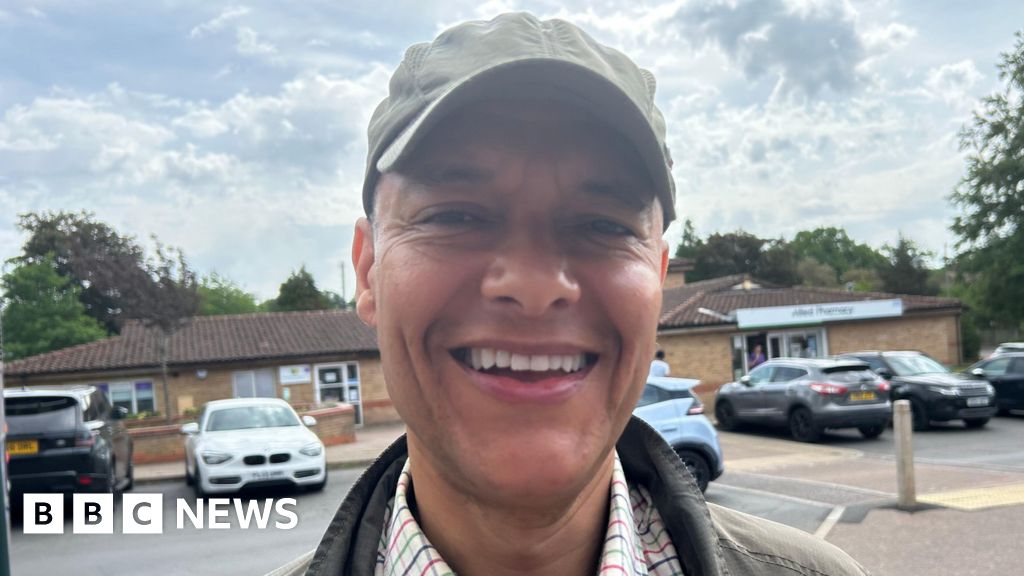
Clive Lewis, MP for South Norwich, has expressed strong support for the initiative. He believes that placing decision-making authority in the hands of those who actually live and work in these neighborhoods ensures that the funding will address real, local needs. “This is significant funding for some of the most needful communities in our city to be able to take control of that money and invest it where they see fit, and I think that is very important,” Lewis said.
The Pride in Place programme is a nationwide effort, with a total of £5 billion earmarked to support 284 areas across the UK identified as suffering from both high deprivation levels and weak social infrastructure. The goal is to provide not just short-term improvements, but sustainable change that endures long after the funding period ends.
Resident Boards to Prioritize Long-Term Impact
Norwich City Council is taking steps to ensure the process is inclusive and truly representative. Independent individuals who live or work in the recipient areas are being selected for two neighborhood boards. These boards will engage directly with the community to gather ideas and priorities before making any funding decisions. The council is currently recruiting members for these boards, emphasizing the importance of diversity and independence from political or business interests.
Rebecca White, the independent chair of the Pride and Place neighborhood board for Bowthorpe and West Earlham, highlighted the community-driven nature of the project. “We can all walk around this neighborhood right now and say, ‘What do you want to do?’ and people will say CCTV, or they’ll say litter.” She explained that the board will carefully weigh all resident suggestions, with a key principle being long-term, sustainable thinking.
To ensure everyone has a voice, a dedicated website and Facebook group have been established to reach those who might not otherwise participate in traditional community meetings. This digital outreach aims to maximize engagement and gather a wide array of viewpoints on how the community funding should be spent.
Flexible Guidance and Focus on Community Return
Jenny Knight, Green councillor at Norwich City Council and cabinet member for culture and wellbeing, reinforced the hands-off approach the council intends to take. “The entire point of the project is that we make sure the money goes into the hands of residents so that they can actually make those decisions,” she said. The council plans to provide only loose guidance, encouraging communities to invest in projects and services they believe will provide lasting returns, whether through infrastructure improvements, social initiatives, or local services.
This approach is echoed in other recipient areas, such as Great Yarmouth, where residents have prioritized crime reduction, health facilities, and green spaces. In Norwich, the hope is that empowering local people with real financial control will not only improve immediate living conditions but also foster a stronger sense of community ownership and resilience.
Shaping the Future of Norwich Together
The launch of this community funding initiative marks a significant shift towards resident-led urban regeneration. With substantial financial resources and a commitment to listening to local voices, Norwich’s most disadvantaged areas have the opportunity to reshape their futures according to their own needs and aspirations.
As the neighborhood boards begin their work and more residents get involved, the city stands as an example of how targeted investment and community empowerment can go hand in hand to deliver meaningful change.
This article is inspired by content from Original Source. It has been rephrased for originality. Images are credited to the original source.