

Opening the 79th World Health Assembly Amid Health Crises
The 79th World Health Assembly has commenced in Geneva, gathering health ministers and diplomats at a critical moment for international health. This year’s assembly is overshadowed by multiple crises, most notably recent global health funding cuts, ongoing Ebola outbreaks in Central Africa, and the complex evacuation of a cruise ship struck by hantavirus. As countries grapple with mounting disease threats and shrinking resources, the event’s central focus is on pandemic preparedness and health financing.
Recent Outbreaks Highlight Global Health Vulnerabilities
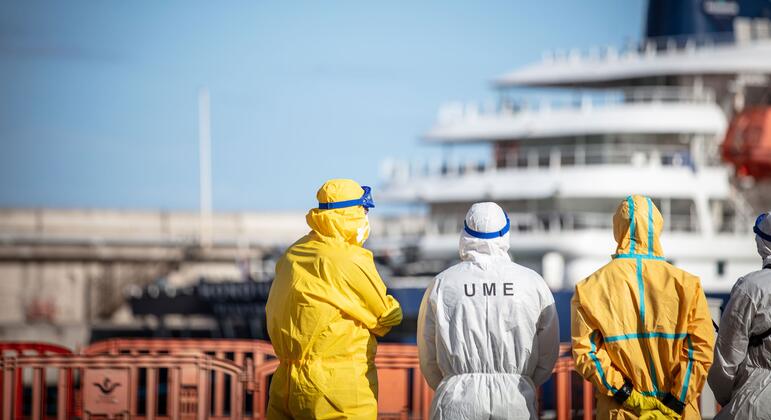
Just a day before the Assembly began, WHO Director-General Tedros Adhanom Ghebreyesus declared a public health emergency of international concern following an Ebola outbreak in the Democratic Republic of the Congo (DRC), which has spilled into Uganda. Simultaneously, WHO coordinated the intricate evacuation and repatriation of passengers from the MV Hondius cruise ship after a hantavirus outbreak. The remaining crew now face a 42-day quarantine as the vessel undergoes thorough disinfection, illustrating the cross-border challenges of infectious disease control.
These emergencies underscore the necessity for rapid international coordination, especially as the world’s health systems are being tested by new and recurring threats. The global health funding cuts have only heightened these vulnerabilities, making efficient collaboration and effective resource allocation even more vital.
Financial Pressures and Organizational Reforms
Humanitarian crises, climate shocks, and economic turbulence are placing unprecedented strain on public health responses worldwide. The World Health Organization itself is feeling these pressures acutely, dealing with significant financial uncertainty due to global health funding cuts. According to WHO budget documents, unpaid assessed contributions from member states totaled nearly $360 million by the end of 2025, forcing the organization to restructure programs and reduce staff.
Despite these hurdles, Director-General Tedros noted that WHO has emerged more resilient thanks to nearly a decade of organizational reforms. The restructuring process is now complete, and the agency has reached what Tedros described as a position of stability, moving forward with renewed confidence and purpose. Key initiatives highlighted at the assembly include the WHO Hub for Pandemic and Epidemic Intelligence in Berlin, the mRNA Technology Transfer Hub in South Africa, and the Pandemic Fund established with the World Bank, which has distributed $1.4 billion in grants to 128 countries.
Pandemic Agreement and Path Forward
Among the assembly’s major topics is the Pandemic Agreement, adopted by Member States the previous year, along with amendments to the International Health Regulations aimed at strengthening global pandemic preparedness. However, negotiations continue regarding the Pathogen Access and Benefit Sharing system—a crucial yet unresolved element that countries hoped to finalize during this session.
Tedros linked the ongoing debate over global health funding cuts to broader discussions about health sovereignty. He emphasized the unintended benefit of these funding challenges: many leaders are now advocating for reduced dependency on external aid and greater national control over health policies and resources. This shift marks a new era of health sovereignty, propelled by the realization that sustained international assistance cannot be guaranteed.
A Wide-Ranging Agenda and Notable Recognitions
Throughout the week, delegates will debate a comprehensive agenda. Topics include malaria elimination, antimicrobial resistance, mental health, immunization, universal health coverage, digital health and AI, emergency preparedness, and health conditions in the occupied Palestinian territory. The Assembly will also explore proposals to reform the broader architecture of global health governance, aiming to bolster coordination among international institutions.
Additionally, the implications of the United States’ notification of intent to withdraw from WHO are set to be discussed, adding another layer of complexity to the assembly’s proceedings. Before the assembly opened, WHO honored several public health leaders with its annual Global Health Leaders Awards. Among the recipients was Michael Ryan of Ireland, recognized for his pivotal role in WHO’s response to COVID-19, Ebola, and various humanitarian crises.
Conclusion: Navigating a Challenging Era for Global Health
The 79th World Health Assembly is taking place at a time when global health funding cuts and escalating health threats are testing the resilience of international health systems. With reforms underway, a renewed focus on health sovereignty, and ongoing negotiations to strengthen pandemic preparedness, the assembly underscores the urgent need for international cooperation and innovative financing solutions to protect global public health.
This article is inspired by content from Original Source. It has been rephrased for originality. Images are credited to the original source.